
Plaka, Koukaki or Syntagma? Choose by street feel, walking and transport
Compare Plaka, Koukaki and Syntagma for Acropolis access, neighbourhood atmosphere, Metro links, airport convenience and easier walking.
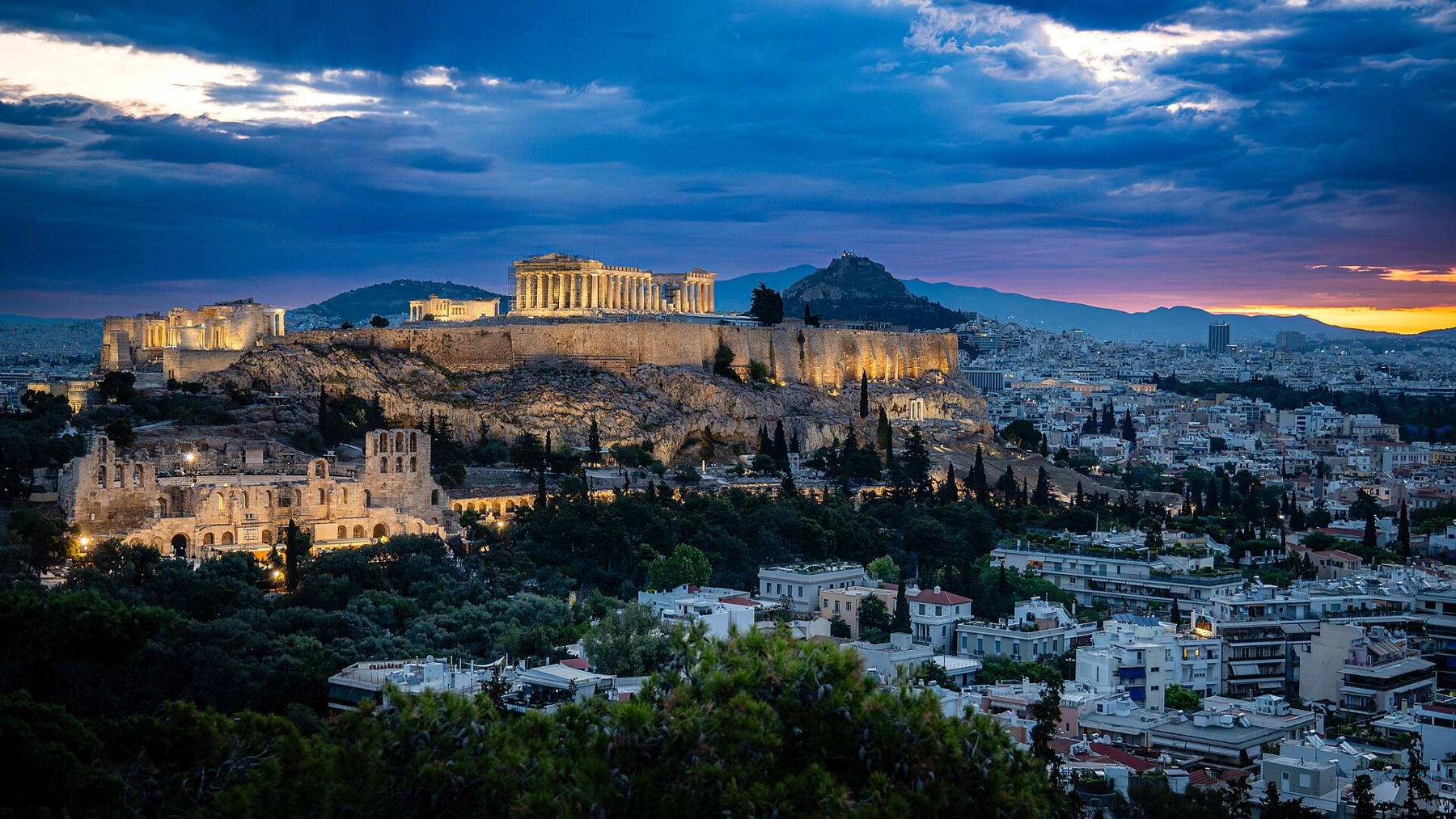
For a first Athens stay, the choice is less about raw distance than about what you want outside the door. Choose Plaka for historic lanes and immediate sightseeing atmosphere; Koukaki for a more residential base beside the Acropolis; or Syntagma for the simplest transport connections.
All three keep you close to central sights. Their edges are also easy to blur in accommodation listings, so the exact address can matter more than the neighbourhood name.
The choice at a glance
| Base | Best for | Main advantage | Main compromise |
|---|---|---|---|
| Plaka | First-time visitors who want old Athens outside the door | Historic lanes beside major ancient sites | Visitor activity, sloping lanes and variable Metro access within the district |
| Koukaki | Travellers who want sights plus residential streets | Acropolis access with homes, cafés and shops nearby | Less convenient than Syntagma for direct airport transport; some addresses are uphill or close to Syngrou Avenue |
| Syntagma | Short stays, airport connections and frequent public-transport use | Metro Lines 2 and 3 meet here, with tram and bus connections | A busy central hub rather than an intimate neighbourhood setting |
Plaka: choose atmosphere and doorstep sightseeing
Plaka hugs the base of the Acropolis. The official city guide describes it as extending from Filomousson Square, around Kidathinaion and Adrianou streets, towards Monastiraki, with neoclassical buildings, Byzantine churches, cafés, restaurants and souvenir shops along its lanes. It identifies the Acropolis and Acropolis Museum as the area’s principal sights (This is Athens).
That makes Plaka the strongest choice if the setting is part of the trip. Routes towards the Roman Agora, Monastiraki, Hadrian’s Arch and the Acropolis begin nearby, making it particularly useful for a short first visit focused on the archaeological centre.
The trade-off is practical. “Plaka” covers addresses with quite different approaches: a room near Amalias Avenue functions more like a Syntagma base, while one near Makrigianni is convenient for Akropoli station. An address deep below Anafiotika can involve narrow and sloping lanes. Plaka’s shops and restaurants are part of its appeal, so do not assume an old-looking side street will be silent at night.
Pick Plaka if: you plan to walk to ancient sites most days and would trade some transport simplicity for historic surroundings.
Look elsewhere if: you want a more residential setting or expect to cross the wider city repeatedly.
Koukaki: choose a neighbourhood base beside the Acropolis
Koukaki lies south of the Acropolis, between the Philopappou foothills and Syngrou Avenue. Its boundaries are not used consistently. The Athens Social Atlas explains that Makrygianni, Gargaretta, Philopappou and Koukaki are now often grouped under the Koukaki name, although many Athenians distinguish them. It describes Koukaki as historically residential, with Veikou and Dimitrakopoulou as its two main commercial streets (Athens Social Atlas).
This is the most balanced of the three choices for travellers who want to walk to the Acropolis but return to apartment blocks, shops and café streets rather than remain inside the main sightseeing quarter. Dionysiou Areopagitou promenade links Hadrian’s Arch with Philopappou Hill, passing the monuments below the Acropolis. Pedestrianised Drakou Street is beside the Metro and tram connections at Syngrou-Fix (official Athens guide). The Acropolis Museum identifies Akropoli on Line 2 as its nearest Metro station (Acropolis Museum).
Location within the broader Koukaki label changes the experience. The Makrygianni end is closest to the museum and Plaka. Around Drakou and Syngrou-Fix, transport and evening venues are convenient; the official guide describes Drakou as a lively bar area, especially at weekends. Streets towards Philopappou can add an uphill return. Accommodation beside Syngrou gains transport access but also sits by a major traffic corridor.
Pick Koukaki if: you want the Acropolis built into the shape of your day but prefer a mixed residential and visitor district to Plaka’s concentrated sightseeing atmosphere.
Look elsewhere if: a direct airport connection or the easiest interchange matters more than neighbourhood character.
Syntagma: choose the transport hub
Syntagma is the practical option. Metro Lines 2 and 3 meet at Syntagma station, which also has tram and other public-transport connections. Its exits serve Syntagma Square, Amalias Avenue and the National Garden side (STASY station information).
On Line 2, Akropoli is one stop south and Syngrou-Fix is the following stop. STASY’s published trip-duration table indicates about two minutes from Syntagma to Akropoli and three minutes to Syngrou-Fix, before waiting and station-access time (STASY Line 2 timetable).
It is also the simplest of these three bases for airport public transport. Airport trains use Line 3, while the 24-hour X95 express bus links Syntagma Square directly with Athens International Airport. The rail operator, STASY, publishes a 36-minute airport frequency; the X95 bus runs around the clock. STASY also announces evening track works from 25 October 2026: Sunday–Thursday closures at 9.40pm split Line 3, with an X25 replacement-bus connection between Katehaki and Doukissis Plakentias. Check that dated notice before a late airport journey; the X95 can be simpler during the works.
Staying here also puts Ermou Street, Parliament, the National Garden and the upper edge of Plaka nearby. The compromise is ambience: the square is a major city reference point and interchange, and STASY describes it as busy around the clock. A property advertised as “Syntagma” may sit towards Plaka, Kolonaki or the commercial streets west of the square, producing different surroundings after dark.
Pick Syntagma if: the stay is short, arrival logistics matter or your plans extend well beyond the Acropolis area.
Look elsewhere if: you want small neighbourhood streets to define the stay rather than maximum connectivity.
Match the base to the trip
- A first visit built around the Acropolis, Agora and evening walks: Plaka.
- The same sightseeing priorities, but with more residential streets and café life: Koukaki.
- One or two nights, a late arrival or frequent Metro journeys: Syntagma.
- A traveller who wants pedestrian sightseeing nearby: Plaka or the Makrygianni end of the wider Koukaki area, after checking the exact approach for slopes and steps.
- A traveller with heavy luggage or limited walking tolerance: compare the actual route from the most suitable station exit to the accommodation. A short map distance does not show steps, uneven paving or an uphill final approach.
- Someone sensitive to nightlife or traffic: choose the block, not merely the neighbourhood. Ask what the room faces and inspect nearby bars and arterial roads.
Check the pin before booking
Use the accommodation’s exact map pin and answer four questions:
- Which station and entrance will you actually use? A nominally central room can still mean a tiring luggage walk.
- Is the final approach level? Old lanes around Plaka and streets towards the Philopappou side of Koukaki may involve slopes, steps or irregular paving; verify the specific route if mobility is a concern.
- What faces the bedroom? An internal courtyard, pedestrian café street and traffic avenue can produce very different nights within the same district.
- Which side of the label is it on? “Plaka” near Syntagma and “Koukaki” near Syngrou-Fix solve different transport problems from addresses farther uphill.
If no single priority dominates, Koukaki is the middle-ground choice. If the surroundings are the priority, take Plaka. If straightforward connections matter most, take Syntagma.